← Articles · Politics
Second thoughts?
By JW ·
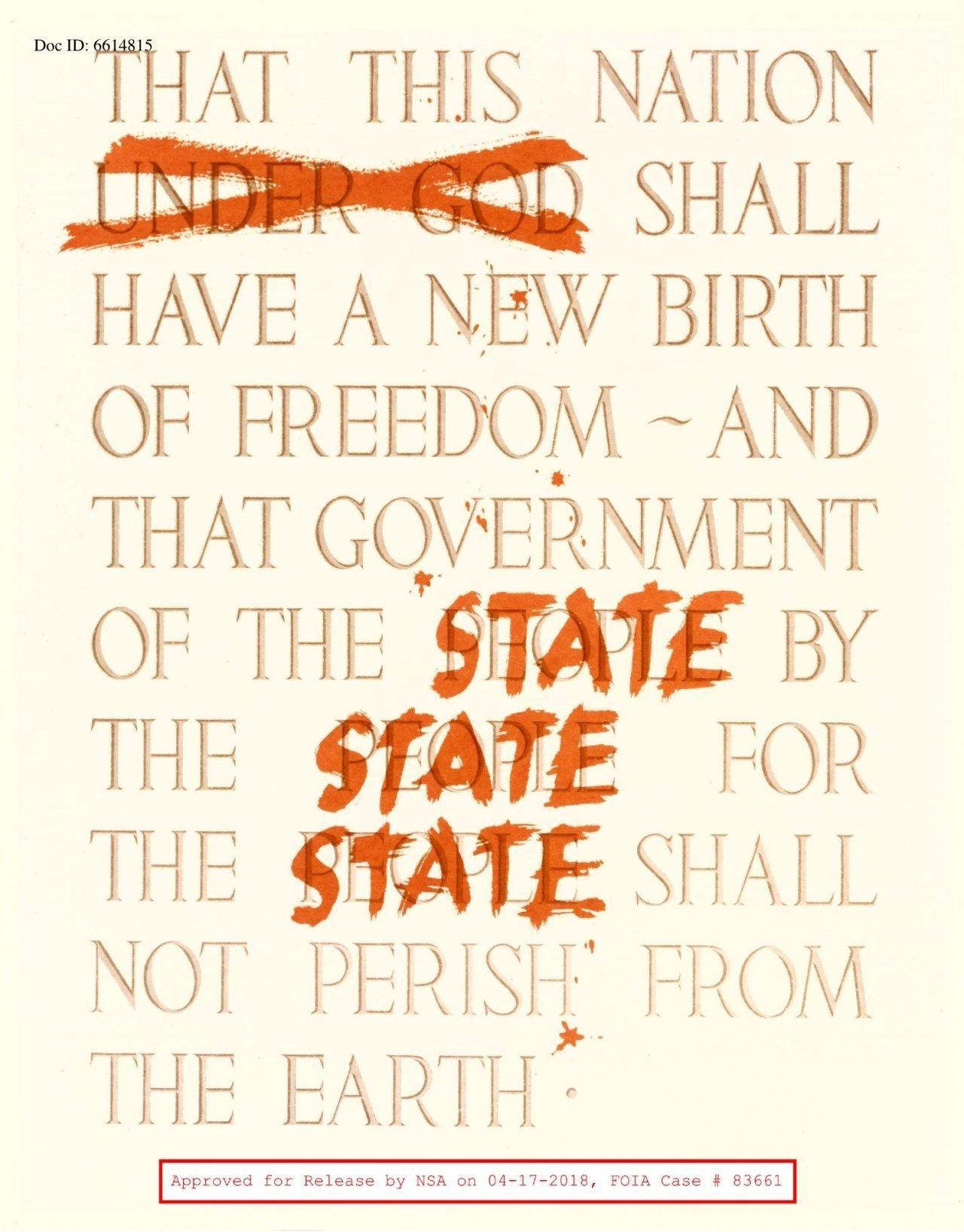
There are few things as tragic as a hopelessly romantic ideologue being confronted with the failure of their ultimate utopia, the failure of the policies which they had fought tooth-and-nail to implement only causing further problems while not solving the previous ones, his regime- once the hope of his people, and now their nightmare- was built on falsehoods that he himself believed without a shadow of a doubt.
A tragedy, yes, but more so for the people than for their leader- we do not mourn the CEO who risked it if his bet didn’t pay off in the end, so why romanticize the failed politicians? There is something very Hoppean in all of this, the romanticization of failure leading to its continuance through the inculcation of high time preference behaviour, the failures of the free market might have worked just as hard as many of the successes but, as the failures of the Marxian societies have shown us, there is no truth to the labor theory of value, and we should thus reward results rather than work itself.
I must admit that I find appeal in many failed historical “failures”, the monarchies of Europe did help ensure that the 19th century was one of growth rather than the usual near-stagnation of wealth that came before, I also cherish the thought of a united Netherlands and pray for the end of the Cuban Communist regime.
That is all well and good, and I hope that the reader joins me in these beliefs, but I must ask that he not repeat their failures in an attempt to emulate their successes. Was pre-Communist Cuba in a better place than it is now? Yes, certainly, but it did fail- perhaps not economically, growth was steady if somewhat elite-oriented, and the country would have had a bright future.
Note that “would”, why is that not a “does”? Why is Cuba now the way that it is? The Communist revolution did not happen accidentally, and Castro’s rise to power was not an unpreventable occurrence, so why did it occur? You might expect an answer, instead, I have another question: Why do you think it failed?
Then, once you have answered that question, ask yourself: “Could my system have prevented Cuba from failing”? If the answer is “no”, then is that because of the specific conditions present in Cuba or a fault of your political system that is equally disastrous anywhere else? Don’t worry if the answer to that question is “yes”, because in that “yes” you have cut your losses, sunk-cost fallacies drive a $655bn dollar industry, everyone is prone to them, so why be embarrassed? The first step to solving a problem is to admit that it exists, so why not admit the fault in your system? And if it fails the test- all the better! But do not pass a 54% or even a 60%- scrutinize your beliefs! Ask yourself, “if [X policy I support] were implemented right now, would it make my country better?”
Again, really consider the possibility that you are wrong- you might see that indecisiveness as a sign of weakness, an indication that your political beliefs will never be implemented- but what is worse? Obscurity or infamy? Do you want your name to scare the village children?
Pol Pot never thought he was wrong, neither did Mao or Stalin or Hitler, and this inability to believe that one may be wrong is present in their adherents too- Maoists and Stalinists may read up on the genocides committed by these leaders and then brush them off as much-needed purifications, that they do not share a similar message with those outside of their Marxian bubble is indicative of the complete non-importance they place on truth, the only thing they care about is “winning”, but what does winning mean for them? Is it societal prosperity? An end to war? Cultural hegemony? No! To them, winning is when the other team is killed, nothing more and nothing less. If winning to you is “beating the other team”, then ask yourself how long it would take for you to just find another team to beat. The implementation of that which is true and righteous can only occur once evil has been beaten back, yes, but let not the beating of evil turn you into evil itself- how many exploited men peasants ended up beating down their fellow man?
The worst part is that people won’t even recognize you as a formerly-oppressed man turned oppressor, the overthrow of tyranny is not aided by nuance and your overthrow of the previous tyranny would probably not have been all-too nuanced either, why should it be? They were a tyrant! Who cares if they had once been oppressed!
So, unless you want to be remembered as the dictator who killed a few thousand of his own people for a cause no one will remember in ways that no one will forget, consider thinking through your positions.